A trade corridor is only as reliable as its next border
The EU’s latest connectivity conclusions put customs, coordination and commercially usable services alongside infrastructure. That is where a strategic route becomes an actual choice.
FAULTLINE · Desk analysis · Published 18 November 2026 · Sources checked 18 November 2026
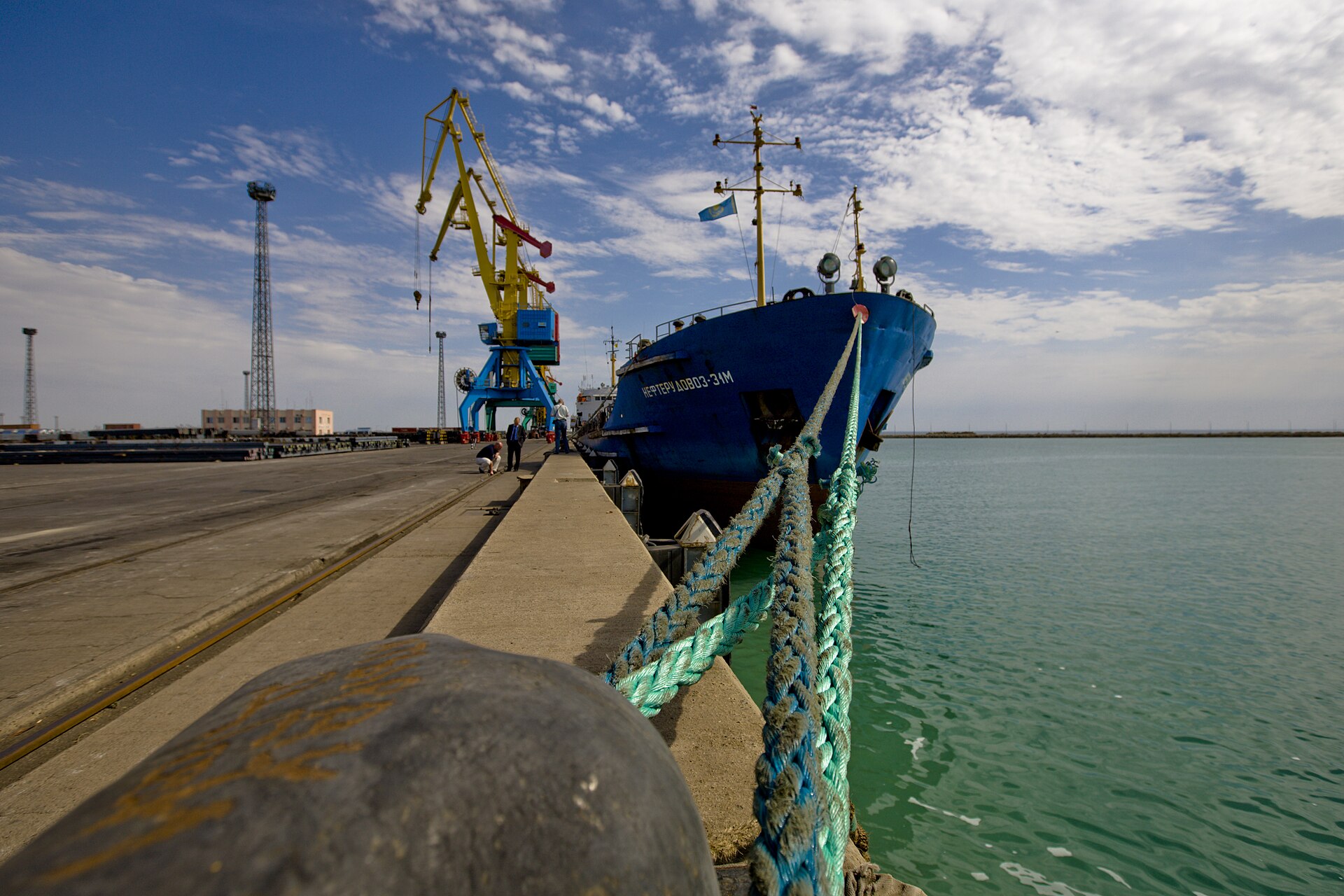
A corridor looks continuous on a map because the line does not show the queue. A real shipment encounters railway operators, port schedules, border procedures and documents that may not travel as smoothly as the goods they describe. The difference matters when a transport route is presented as a strategic alternative: an option is useful only if a customer can plan around it.
The co-chairs’ conclusions following the EU’s cross-regional security and connectivity meeting on 16 November put this problem explicitly on the agenda. The document reaffirms support for the Trans-Caspian Transport Corridor linking Europe with the Black Sea, South Caucasus and Central Asia. It also emphasises border procedures, customs cooperation and operational coordination as conditions for reliability and commercial use.
Those are commitments and priorities, not evidence that a shipment has already become faster or cheaper. That distinction should shape how the initiative is assessed. A new terminal can be counted and photographed. The consistency of the journey requires repeated observation, including what happens when capacity is tight, a connection is missed or a document needs correcting.
For an exporter, the average journey time may be less revealing than the range of possible outcomes. A route that sometimes delivers rapidly and occasionally produces a costly delay requires a different inventory strategy from one with a dependable timetable. Reliability affects working capital, production planning and the promises a firm can safely make to its customers.
The policy challenge is therefore shared across borders. An improvement made by one operator can lose much of its value if the next handover remains uncertain. That does not make the investment pointless. It means the commercial case depends on coordination with organisations that may have different incentives, legal responsibilities and resources. A political declaration can start that conversation; it cannot replace the operating arrangements.
Transparency about progress would help. Public reporting could distinguish infrastructure completed from services available, published schedules from actual performance and announced investment from money committed. It could also identify which remaining constraints require physical capacity and which concern information, procedures or coordination. Without that distinction, every delay risks producing another proposal to build something.
There is a strategic reason to care about these ordinary details. Diversifying transport options can reduce dependence on a single route, but the alternative needs a commercially credible role before a crisis forces customers to rely on it. A corridor supported only by exceptional circumstances may struggle to maintain the frequency and capabilities that make it useful when those circumstances return.
Businesses should not have to treat every route choice as a geopolitical declaration. They need understandable conditions, realistic costs and partners accountable for the parts of the journey they control. Governments can support resilience by making those choices more credible, rather than expecting strategic language to compensate for uncertain delivery.
The important test of the Trans-Caspian agenda will therefore come after the meeting. It will be found in usable connections, predictable handovers and the ability to explain where a consignment is when something goes wrong. The line on the map may connect regions. The work that makes it dependable takes place at every point where one responsibility ends and another begins.
Related analysis
Sources & verification
- Council of the EU, Co-Chairs’ Conclusions on Cross-Regional Security and Connectivity · 2026-11-16
- Archive photograph · Ashina / Wikimedia Commons, CC BY-SA 3.0
- Image licence · CC BY-SA 3.0
Desk analysis based on the sources above. Interpretations are identified in the text. Later developments may change this assessment.