Italy’s Senate puts hybrid threats on the public record
A ministerial briefing is a chance to ask how Rome distinguishes foreign pressure from legitimate dissent, and what Parliament can verify.
The FaultLine Desk · Published 18 November 2026 · Sources checked
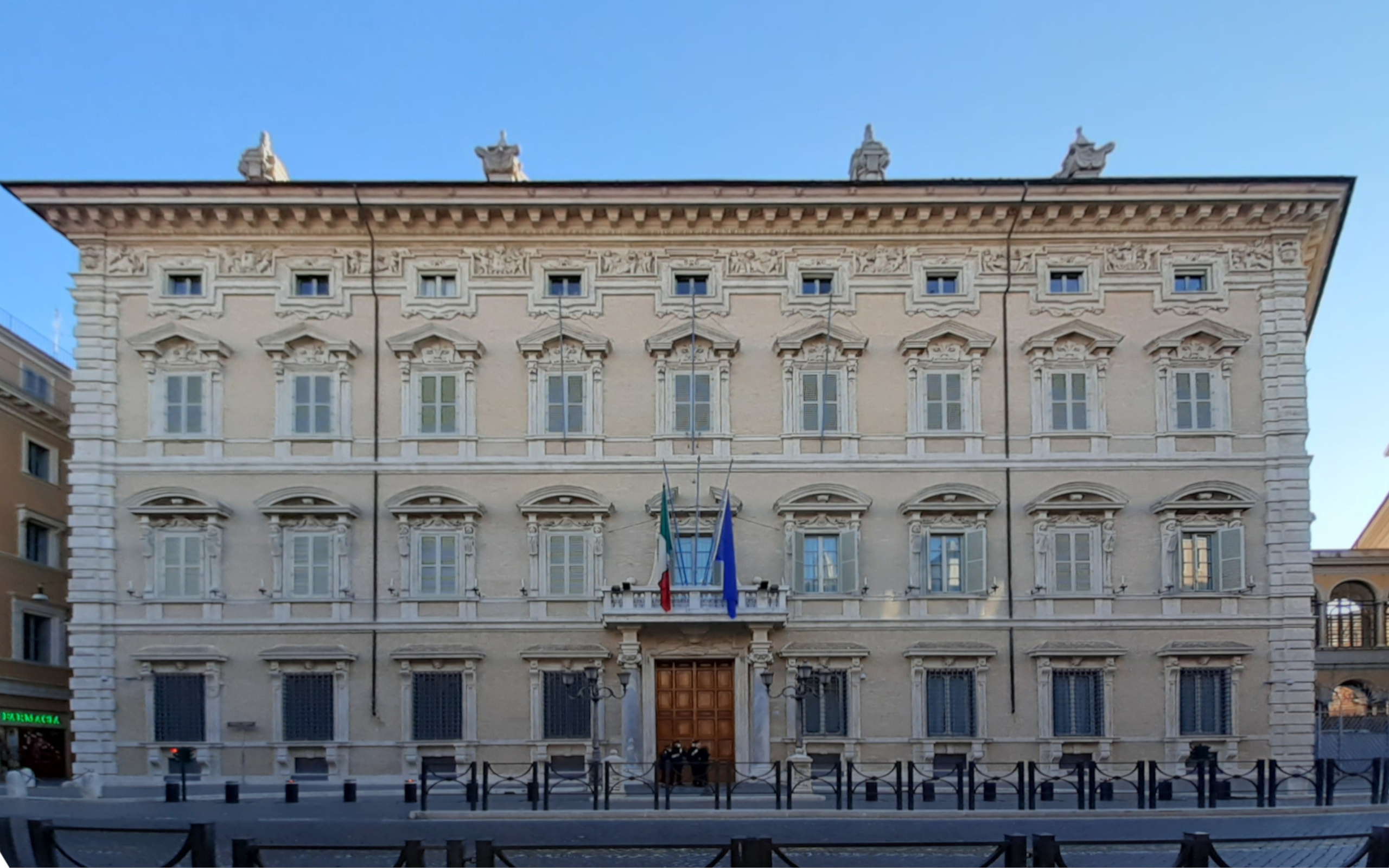
Italy’s defence minister is due to brief the Senate at 11.30 on 18 November on hybrid and cognitive warfare, according to the previous day’s official record. The briefing puts a broad and contested category of threats on the parliamentary agenda. The questions worth asking concern how government reaches its conclusions, who can challenge them and what can be made public.
An open society has reason to take foreign interference seriously. It also has reason to be precise about evidence. Political criticism, journalism and arguments that happen to resemble a foreign government’s position are part of public debate. An allegation of coordinated foreign activity calls for a higher evidentiary standard and clear attribution.
Some information will inevitably remain classified. Parliament can still ask whether the government has published criteria for attribution, whether independent scrutiny is available and which errors would trigger a correction. A public briefing can establish a record against which a later claim can be checked.
The strongest response to interference protects the ability of citizens to argue openly and of legislators to test the executive’s claims. The Senate session is an opportunity to set that standard in public.
Related analysis
Sources & verification
- Italian Senate · sitting of 17 November and notice for 18 November
- Archive photo · Sergio D’Afflitto, Wikimedia Commons
- Image licence · CC BY-SA 4.0
Desk analysis based on the sources above. Interpretations are identified in the text. Later developments may change this assessment.